Customs classification

PVC Foam Board HS Code: 3921.12 Classification Guide

A practical importer guide to the common six-digit heading for cellular PVC sheets, the cases that can change classification, and the documents to confirm before shipment.

PVC Foam Board HS Code: 3921.12 Classification Guide
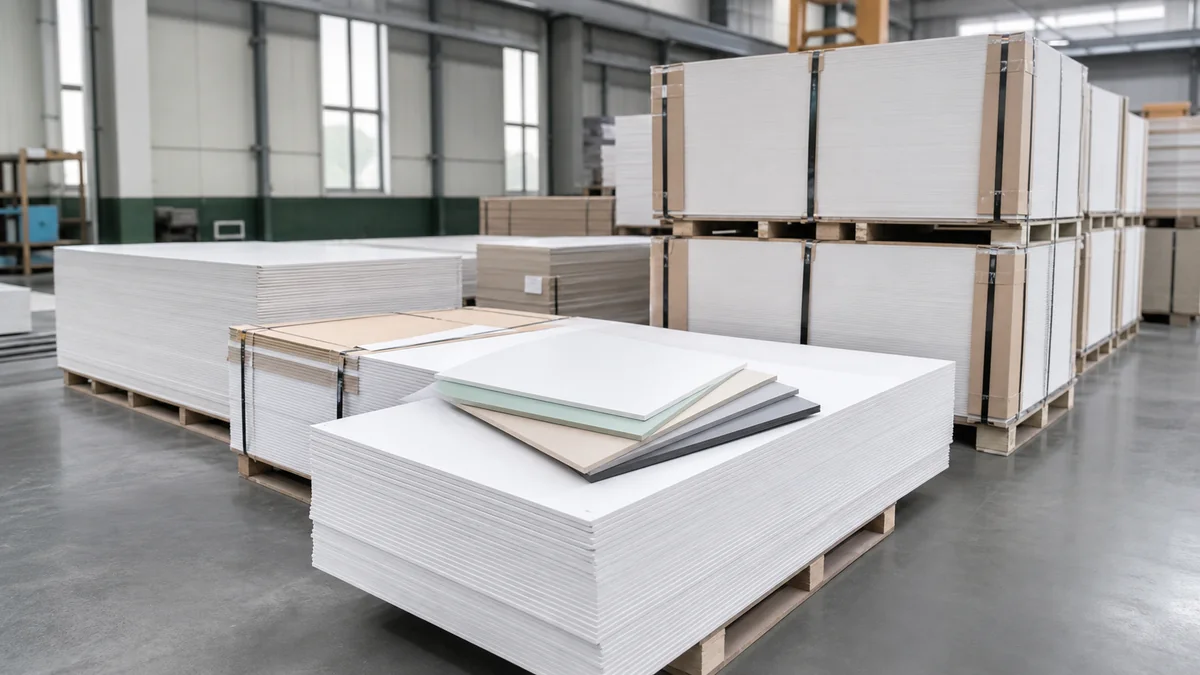
Reference visualization. Actual product labels and export packing are confirmed against each order.

Short answer: what is the HS code for PVC foam board?

For a plain cellular sheet made predominantly from polymers of vinyl chloride, HS 3921.12 is a common six-digit starting point. It is not a universal final declaration code. Self-adhesive, textile-backed, reinforced, laminated or further-worked products may be classified differently, and each destination country adds its own tariff digits and measures.

How to check whether 3921.12 fits the shipment

Use the physical construction of the goods, not only the trade name 'PVC foam board'. Give the same description, photos and technical data to the importer and customs broker.

CheckWhy it mattersWhat to confirm
Cellular or non-cellularHeading 3921 covers other plastic plates and sheets; cellular PVC is separated from non-cellular sheet.Closed-cell or free-foam/Celuka construction, average density and technical sheet.
PolymerThe 3921.12 subheading is for cellular sheets of polymers of vinyl chloride.PVC is the principal polymer; disclose fillers, skins and other layers.
Backing or reinforcementTextile backing, reinforcement, lamination or support can change the national subheading or classification analysis.List every bonded layer and its weight or composition.
Adhesive surfaceSelf-adhesive flat plastic products are generally considered under heading 3919 rather than a plain sheet heading.Confirm whether adhesive and release liner are present at import.
Further workingMachined kits, finished articles or composite panels may no longer be declared as a simple cellular PVC sheet.Send drawings, end use, machining and assembly details to the broker.

Import documents buyers should align

  • Commercial invoice: material, cellular construction, surface, dimensions, quantity, unit value and Incoterm.
  • Packing list: sheet count, pallet count, net and gross weight, dimensions and marks.
  • Bill of lading or air waybill: shipper, consignee and package data matching the commercial documents.
  • Technical data sheet: polymer, density or grade, thickness, surface construction and intended application.
  • Certificate of origin or preferential-origin evidence only when the destination or trade arrangement requires it.
  • Photos of the actual goods, labels and packing for broker review before declaration.

A clearer invoice description

Example for broker review: 'Cellular PVC foam sheet, non-self-adhesive, unreinforced, [Free Foam/Celuka], [thickness] x [width] x [length], for [application].' Do not copy this wording blindly: add every coating, film, textile, adhesive layer or further-working step that exists on the shipped product.

Why the final code differs by country

The Harmonized System standardizes the first six digits internationally, while national tariff schedules extend the code and attach local duties or controls. The United States HTS and the European Union TARIC both provide current national or regional detail. For recurring EU imports where classification certainty matters, Binding Tariff Information can provide a legally binding decision for the described goods.

Official classification references

These official databases are references, not a substitute for a decision by the importing authority or the buyer's licensed customs broker.

FAQ

Is 3921.12 always the correct HS code for PVC foam board?

No. It is a common six-digit starting point for plain cellular sheets of polymers of vinyl chloride. Adhesive, backing, reinforcement, lamination, composition, machining and the importing country's tariff can change the final declaration.

What product data should be sent to a customs broker?

Send the polymer composition, cellular construction, density or grade, all layers and backing, adhesive status, dimensions, photos, intended use and any machining or assembly details.

Why can the invoice and import declaration use different code lengths?

The international HS uses six digits. Countries and customs unions extend those digits for their own tariff schedules, duties and trade measures.

Can JINYOU confirm the buyer's final import code?

JINYOU can provide a product description, specification, packing data and available technical documents. The importer and its customs broker or authority must confirm the final destination-country classification.
Prepare a broker-ready PVC foam board quotation

Send the destination country, Free Foam or Celuka construction, size, thickness, density or grade, color, surface layers, quantity and packing requirement.

Request quotation details